
Tell us the style
Paling, lapped and capped, or picket, plus run length, your suburb and a photo of the house frontage so the profile can be matched to the building.
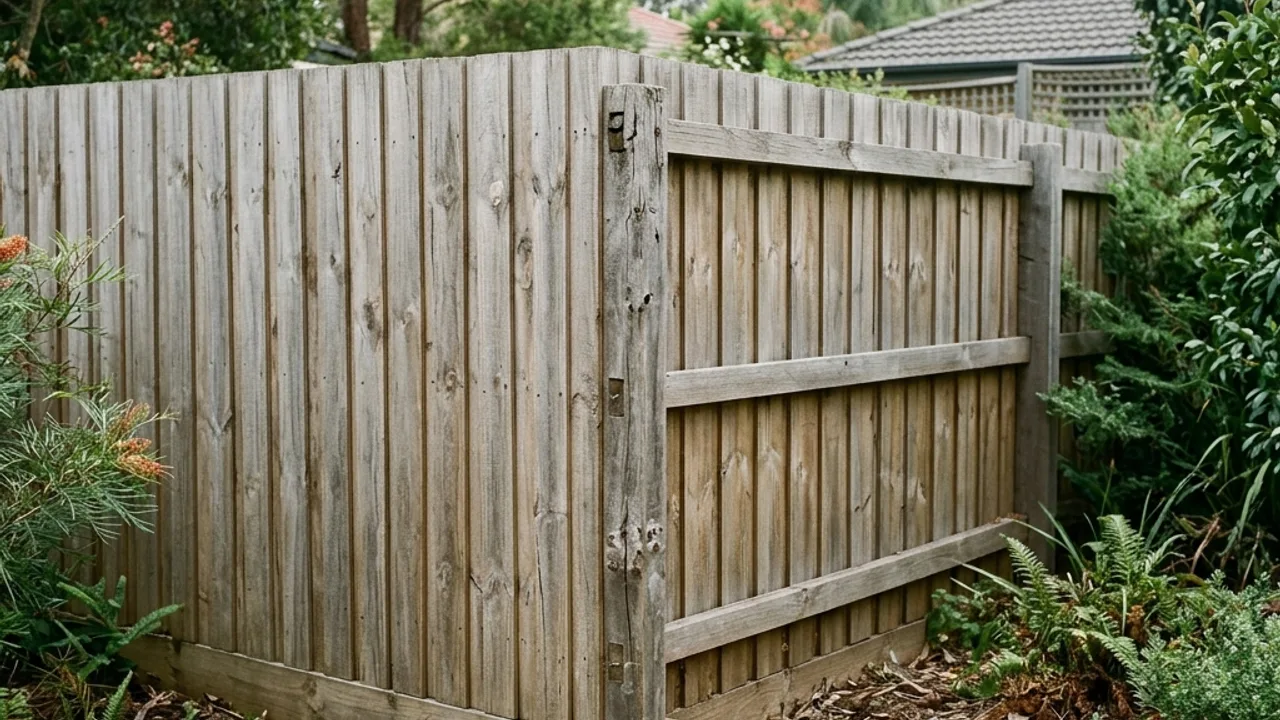
Palings, lapped and capped, or a heritage picket that suits a Queenslander frontage. Timber still wins on appearance, and it is the material a neighbour is most likely to agree to.
Two very different people land on this page. One owns a character home around East Toowoomba, South Toowoomba, Newtown or Mount Lofty and will not put a steel panel in front of a Federation or Queenslander frontage. The other assumes timber is the budget choice and has not yet priced what it asks for later. Each is right about something. Timber gives you a look, a period fit and a repairability that steel cannot match, and in exchange it wants oiling or sealing every few years and it does not love sitting in soil. Tell us the style you are after, the run length and your suburb. The first step is someone on site measuring the fence line, reading the fall and confirming the boundary before a price is written down.
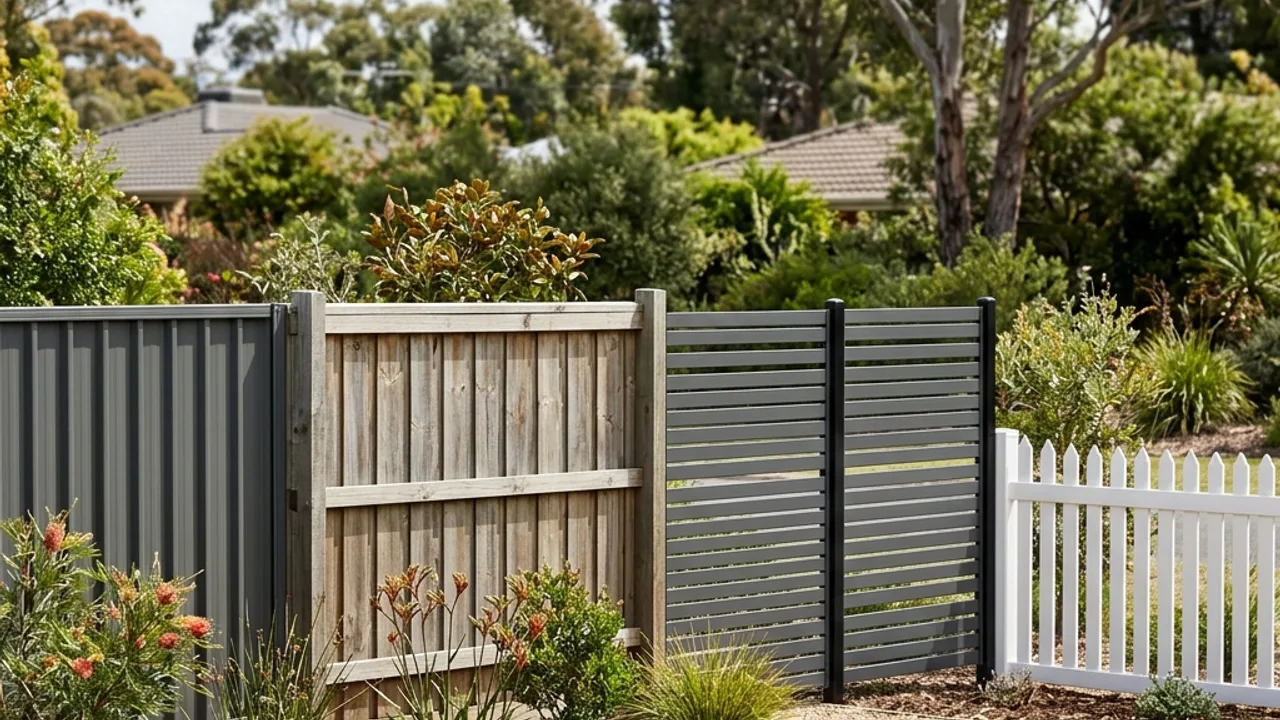
The everyday boundary fence: treated pine posts and rails with palings fixed to the face, butted for economy or overlapped where gaps would bother you.
Palings overlapped so no gaps open as the timber shrinks, finished with a capping board along the top. The premium timber privacy build.
Shorter spaced pickets on a front boundary, with height, profile and spacing set to suit a character frontage rather than a modern estate.
A timber or concrete plinth runs along the ground beneath the palings, closing the gap and keeping the boards out of the soil where a timber fence usually begins to fail.
A hybrid that keeps the timber face and puts the buried, rot-prone part into galvanised steel. Worth pricing on a long run or a wet corner of the block.
Double-lapped so the fence reads the same from both yards, which settles the good-side and bad-side argument before it can start.
Butted palings are fixed edge to edge and are the most economical way to build the face. They also open small gaps as the timber dries and shrinks, which is fine on a side boundary and irritating where you wanted privacy. Lapped and capped overlaps each paling so nothing opens up, and adds a capping board across the top that protects the end grain and lifts the whole run visually. Pickets are a different job again: shorter, spaced, and chosen for how the frontage presents rather than for screening.
The ownership cost is real and worth naming. Timber wants oiling or sealing on a cycle of a few years, which is labour or money, and either way it is recurring. Posts fail at the ground line first, where moisture and soil meet the timber, and untreated timber is exposed to termites. None of that is a reason to avoid timber. It is a reason to specify a plinth, to use treated timber, to consider steel posts under a timber face, and to keep an eye on the run rather than ignoring it for fifteen years.
On price against steel, the honest answer is that timber is cheaper in materials and dearer in labour, because a paling fence is assembled board by board. A buyer comparing both over a 17 metre run landed about $200 apart on the installed figures. Add the oiling cycle over a decade and the assumed saving can disappear entirely. Choose timber because you want timber, not because you are certain it is the cheap option.
Here is where timber has a genuine advantage on a shared boundary. Under Queensland's dividing fence law a sufficient fence for residential land is 0.5 m to 1.8 m of prescribed material, and timber including palings and lattice is named in that list. A standard paling fence therefore sits squarely inside what the law expects two owners to split, which makes the cost-share conversation shorter than it is for an upgrade in another material.
The process itself is straightforward on paper. Talk to next door first, get the quote in writing, and if agreement does not come, a notice to contribute is the formal step: approved form, the fence line described, the work and the estimated cost stated, one written quotation attached. A month with no agreement opens the door to QCAT, and there is a two-month window from the notice to apply. Describe the process to your neighbour, put the quote in their hand, and do not build ahead of an agreement.
Height and position matter too. A fence up to 2 m above natural ground is generally accepted development in Queensland; above that you are into building approval from a certifier. On a corner block the front fence sits inside a sight-line truncation at the intersection, so a picket run there is kept low enough for drivers to see across. Both points get checked at the measure, not after the timber is delivered.
Paling, lapped and capped, or picket, plus run length, your suburb and a photo of the house frontage so the profile can be matched to the building.
The fence line is set from the title plan or existing pegs, the fall is measured for stepping, and the ground condition at post positions is assessed.
Timber grade, post type, rail count, plinth, capping and old-fence removal all itemised, so you can see what you are paying for rather than one lump sum.
Posts set and cured, rails and palings fixed, capping run, offcuts removed. If the timber is to be oiled or sealed, that is quoted as its own item.
A picket profile and height that suits a Federation cottage on Margaret Street is not the profile that suits a 1970s brick home. Timber is the one material where getting the detail wrong is visible from the footpath, so the style is decided against the house.
Ground contact is what kills timber fences, so plinths, treated timber, drainage away from posts and the option of steel posts under a timber face are all on the table before the quote is written rather than offered as an upsell afterwards.
Because palings are named in the prescribed materials for a sufficient dividing fence, a timber quote is usually the simplest one to put in front of an adjoining owner. You get a written figure they can read, not a verbal estimate.
Butted palings will open a little as the timber dries. Lapped and capped construction avoids it. Rot starts at the ground line, which is what a plinth, treated timber and a steel-post hybrid are for. None of it is upkeep-free, and nobody should tell you otherwise.
Termites are a genuine consideration with untreated timber in contact with soil. Treated timber, keeping the palings clear of the ground with a plinth, and looking at the run occasionally rather than never is the practical answer. No treatment is a guarantee.
No. A pool barrier has to be built and assessed against the Queensland pool safety standard, and a standard paling fence is not designed to that. If a pool is inside the fence line, start on the pool fencing page instead.
Questions Toowoomba homeowners bring to this job, answered plainly.
Pick your suburb for the local block, soil and access notes, or send the form and we will come back with a written quote for timber fencing.
Talk to a Toowoomba fencing specialist
Want a timber fence that suits the house?
Send the style, the run length and a photo of the frontage. You get a measured site visit and a written quote that names the timber, the posts and the plinth detail.