
About Fencing Toowoomba
Fencing looks like the simplest job on a property until you start pricing it. Then it turns into a boundary question, a neighbour question, an approval question and five quotes that do not describe the same work. This site exists to sort that out for people in Toowoomba and the surrounding Darling Downs, and then to get the fence measured and quoted properly.
What this site covers
Everything here is written for one region and one trade. That narrowness is the point: a general home-improvement site cannot tell you why gate posts go out of plumb first on black soil, or why the combined height of a fence on a retaining wall matters more than the fence height on its own.
- Materials and job types
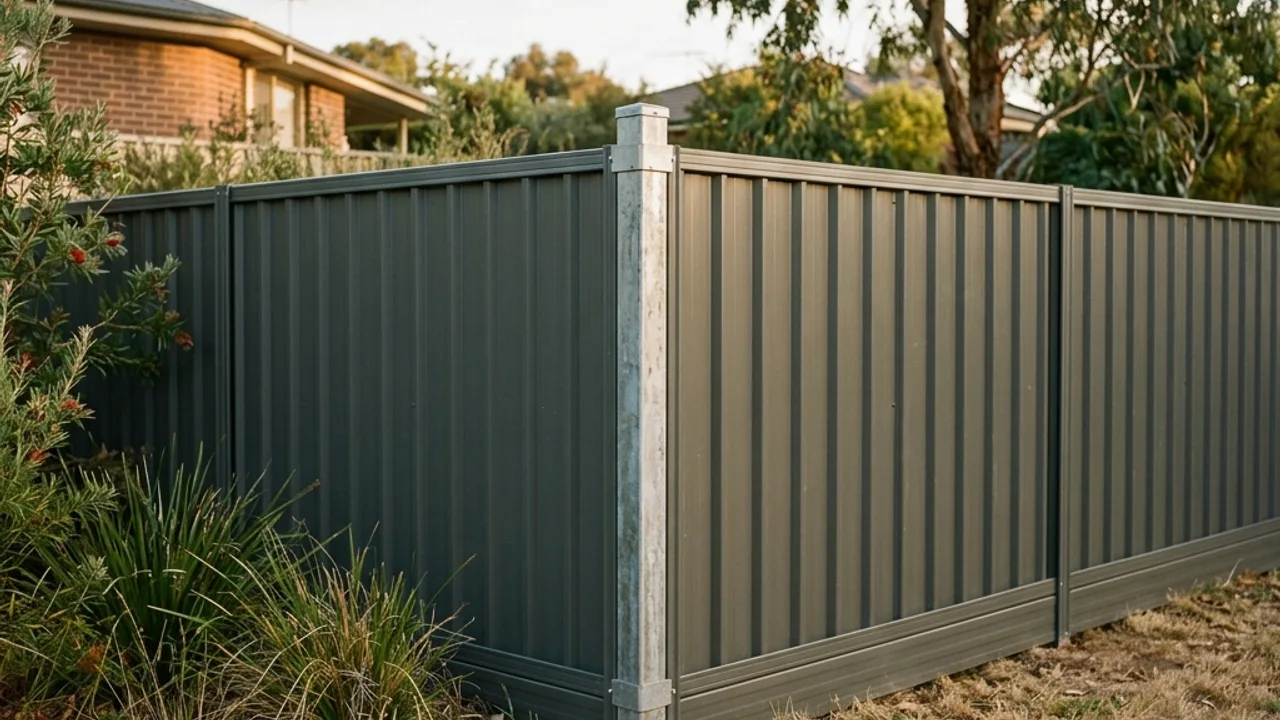
- Colorbond, timber paling and lapped-and-capped, PVC, aluminium slat, glass and aluminium pool barriers, chain wire and tubular steel, gates and gate automation, and repairs.
- The rules that decide what you can build
- Dividing-fence cost sharing under the Neighbourhood Disputes (Dividing Fences and Trees) Act 2011, the 2 m height line for building approval, combined height where a fence sits on a retaining wall, corner sight lines, and the Queensland pool safety standard.
- Local ground conditions
- Reactive black soil on the Downs plains, rocky red basalt on the range, and higher wind exposure on escarpment-edge and ridge-top blocks. All three change footing depth and post spacing.
- Cost, honestly
- What a fence is priced on, which lines to check before you compare two quotes, and an indicative calculator that never hands you a single number.
How a boundary fence enquiry is handled
You send the form with rough metres, the material you are leaning towards and your suburb. We read it and come back with any questions the quote depends on: where the boundary runs, whether the fence is shared, how high you want it, and whether there is anything to remove. Then the run is measured on site, because slope, access and ground type are the three things that move a fencing price and none of them can be judged from a map.
What you get back is a fixed written quote with the lines separated out: material and metres, gates, and removal and disposal of the old fence. That last one is the reason two quotes on the same job can look hundreds apart, so it is always shown on its own. Where the fence is shared with a neighbour, the quote is written so it can be attached to a notice to contribute, and each owner can be invoiced their own share rather than one of you chasing the other. If a variation comes up once the posts are going in, it is agreed in writing before the work is done.
Licensing and compliance, stated properly
A fence is a fixed structure, so building one is regulated building work in Queensland. On residential land, paid fencing work valued at $3,300 or more including labour and materials must be carried out by a contractor holding a QBCC licence, and the licence class depends on the material: carpentry for timber, structural metal fabrication for steel, glass glazing and aluminium for glass and aluminium pool barriers. Most full boundary fence replacements land above that threshold, so a professional fencer working on your block is expected to be licensed.
The exemptions are real and we are not going to paper over them. An owner building their own fence can be exempt where the work is accepted or self-assessable development under the Building Act, or where it is carried out under an owner-builder permit. Thresholds do change, so confirm the current position with the QBCC before relying on it. Anyone telling you all fencing work needs a licence has not read the fact sheet.
Pool barriers sit under a different regime again: the Queensland pool safety standard, with certification by a licensed pool safety inspector. Nothing on this site substitutes for that inspection. You can check any contractor's licence and the current thresholds directly with the Queensland Building and Construction Commission , and we would rather you did.
Who writes this
Anything stated about licensing, height limits or pool barriers comes from the regulator, the legislation or the standard itself, with the date it was checked. Rules on fence height, licensing thresholds and pool barriers do change, so anything that matters to your decision is worth confirming with Toowoomba Regional Council, a building certifier or the QBCC before you commit money.
How to check any fencing contractor
- Ask for the QBCC licence number and look it up on the QBCC online register. Residential fencing work valued at $3,300 or more needs a licensed contractor, and the register shows the class held and whether it is current.
- Ask for the ABN and check it on ABN Lookup. It should match the name on the quote and the name on the invoice.
- Ask for the quote in writing with removal, disposal, gates and access priced as their own lines. A single lump sum is the hardest thing to compare.
- Treat any promised attendance window as worth nothing unless it is in the written quote, and remember only a licensed pool safety inspector can issue a pool safety certificate.
- Ask who carries the work if something moves in the first year, and get the answer in writing rather than over the phone.
Those five checks take about ten minutes and they filter out most of what goes wrong on a fencing job. Apply them to us as readily as to anyone else: what you get here is a site measure, a written quote with the lines broken out, and straight answers about the rules that apply to your boundary.
Useful next reads
- Fencing FAQs - cost, approval, neighbour and repair questions
- Fence cost calculator - indicative range for your run
- Fencing project checklist - what to settle before you order
- All fencing services and suburbs covered
- Contact and disclaimer